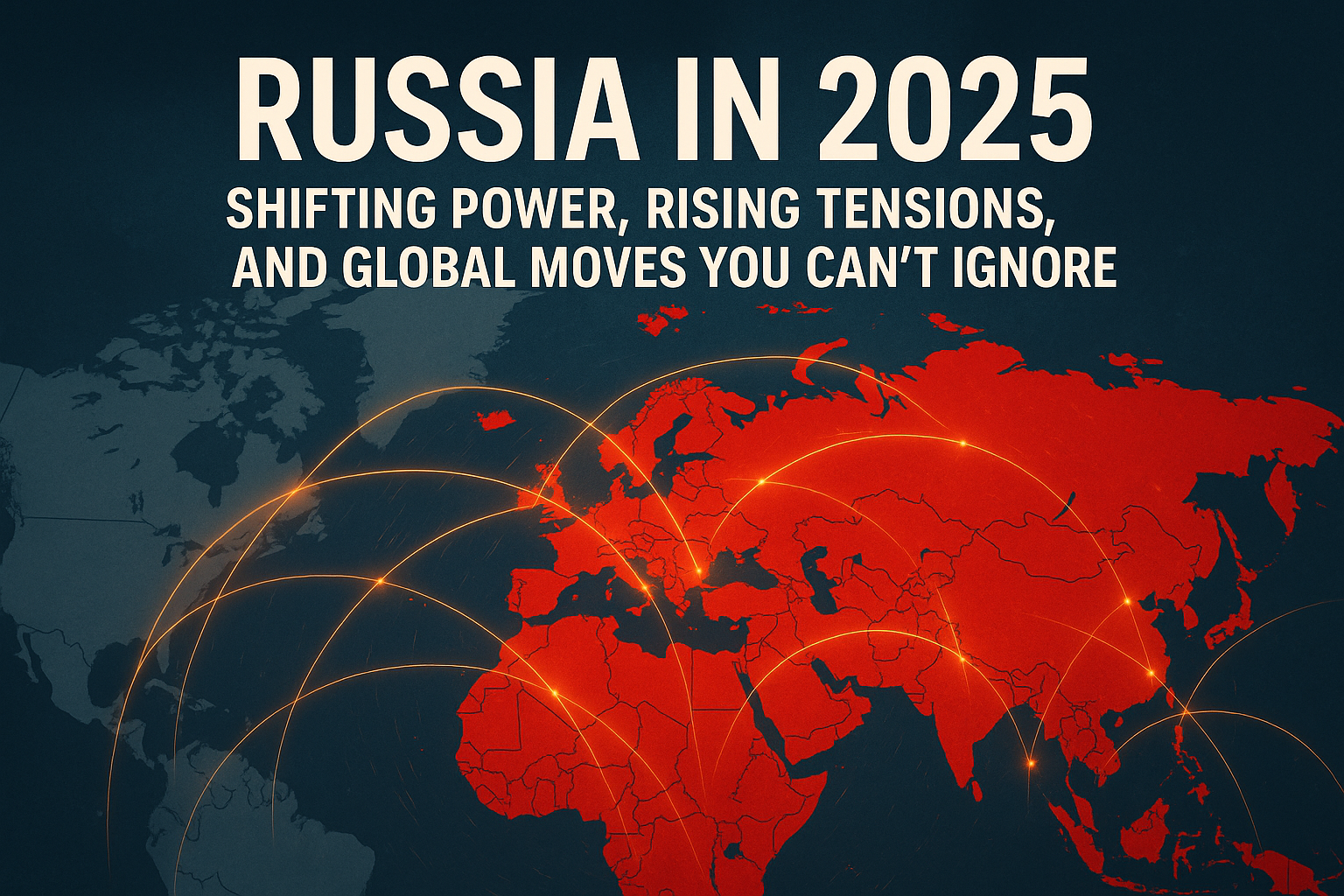
Russia continues to dominate global headlines as political tensions, economic shifts, and military dynamics evolve rapidly. As the world moves deeper into 2025, several events within and around Russia are reshaping international relations, global markets, and security strategies. Here’s a clear breakdown of the most important Russia-related developments you need to understand right now.
Rising Geopolitical Tensions with the West Russia global relations
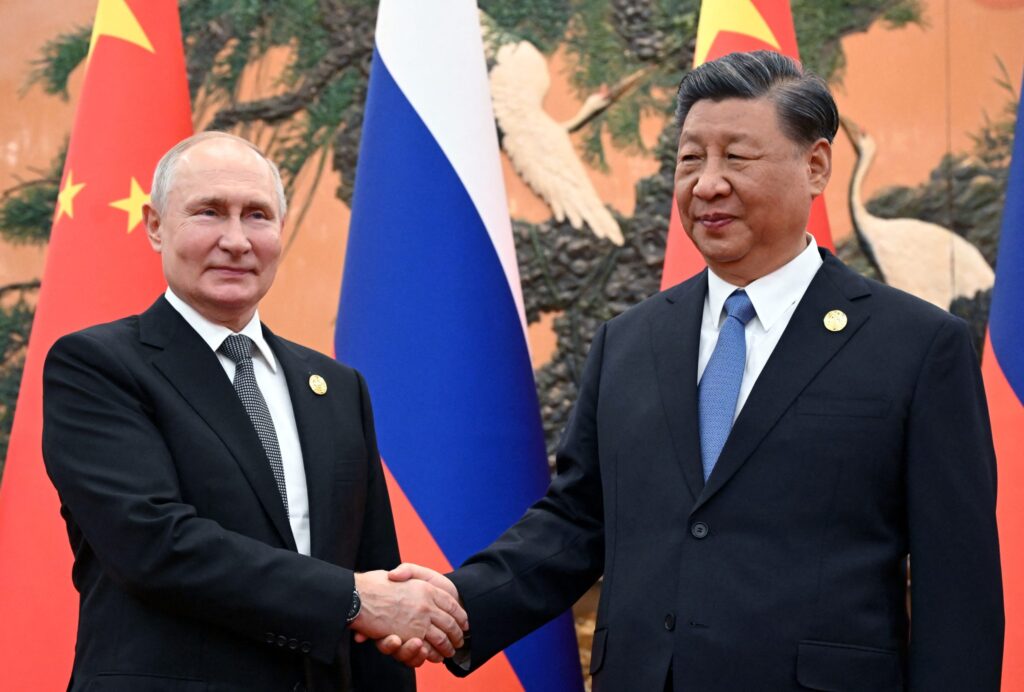
The relationship between Russia and Western nations remains strained. Sanctions continue to tighten, especially from the EU and the U.S., targeting energy, banking, and defense sectors. Western governments accuse Moscow of aggressive foreign policy maneuvers, cyber operations, and disinformation campaigns. Russia global relations
Russia, on the other hand, claims the West is attempting to weaken its global standing. Moscow has responded by strengthening ties with Asian and Middle Eastern partners, accelerating its “pivot to the East” strategy. This shift is not just political—Russia is actively pushing for new trade routes and partnerships outside Western influence.
Economic Adaptation and the Energy Play Russia global relations
Despite sanctions, Russia’s economy has shown surprising resilience. One of the major reasons is its aggressive diversification in the energy sector. The country continues expanding crude oil exports to China and India, solidifying long-term supply contracts. Russia global relations
Natural gas remains a key weapon in Russia’s economic arsenal. With Europe reducing dependency on Russian gas, Moscow is fast-tracking the development of pipelines toward Asia, particularly the “Power of Siberia-2” project. This has changed energy politics significantly, creating a new supply chain that shifts economic power eastward.
However, Russia still faces internal pressure: rising inflation, reduced foreign investments, and technological limitations due to sanctions on critical equipment. Analysts believe the next two years will test how well Russia can sustain its economic stability under isolation.
The Ukraine Conflict: A Stalemate with High Stakes Russia global relations

The war in Ukraine remains the defining issue in Russia’s global narrative. While the intensity fluctuates, the frontlines continue to be areas of heavy confrontation. Neither side has achieved a decisive breakthrough, leading analysts to describe the situation as a “long-term stalemate.”
Russia maintains control over several territories it seized earlier in the conflict and continues to fortify positions. Ukraine, backed by Western military support, is pushing to reclaim ground but faces logistical and manpower challenges.
Peace talks remain distant. Both sides have hardened their positions, and no international mediator has successfully reopened negotiations. The ongoing conflict continues to impact global food supply chains, energy markets, and international security strategy.
Internal Political Environment: Stability with Strict Control Russia global relations
Inside Russia, political control remains tight. President Vladimir Putin continues consolidating power, supported by a loyal government and security apparatus. Opposition voices remain limited, with strict regulations on protests, social media, and independent media.
The 2025 political climate shows no major internal threat to leadership stability. However, younger generations in Russia are increasingly vocal online about economic struggles, lack of opportunities, and censorship. While these frustrations do not pose an immediate risk to the government, they highlight the long-term domestic challenges Russia must address eventually.
Military Modernization and Global Signals Russia global relations
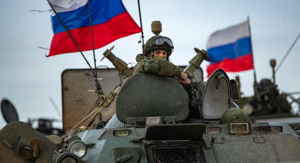
Russia is accelerating military modernization—especially in missile technology, drone warfare, and cyber capabilities. Despite sanctions restricting access to Western components, Russia has found alternative suppliers and boosted domestic production.
The Kremlin’s message is clear: Russia wants to demonstrate it remains a major military power.
Military exercises in the Arctic have increased significantly. Moscow wants to secure dominance in the region, considering the Arctic’s strategic shipping routes and vast natural resources.
The modernization push also serves another purpose: signaling strength to both allies and adversaries during a period when global powers are recalibrating their defense strategies.
Strengthening Alliances Beyond the West Russia global relations
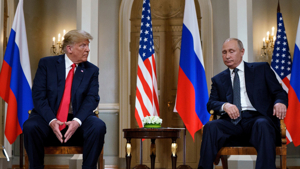
To counter Western pressure, Russia has doubled down on alliances with China, Iran, North Korea, and several African nations.
- China–Russia relations have never been stronger, with expanding trade, joint military exercises, and coordinated diplomatic messaging.
- Iran and Russia are deepening defense cooperation, particularly in drones and missile technology.
- African partnerships are growing through energy investments, mining deals, and political support missions.
This network of alliances is reshaping global power blocs and giving Russia alternative platforms to influence international affairs.
Social and Cultural Shifts Inside Russia global relations
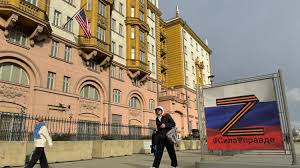
Even under heavy political control, social dynamics in Russia are evolving. Younger citizens are more tech-driven, globally connected, and increasingly skeptical of state-run narratives.
While public dissent remains risky, private conversations, online communities, and alternative media channels show a rising demand for economic reform and greater social freedom. The government continues balancing suppression with efforts to promote national pride and cultural identity.
What This Means for the World in 2025
Russia’s choices over the next year will continue to impact global geopolitics:
- Energy markets will remain volatile
- Sanctions battles will intensify
- The Ukraine conflict will keep shaping international alliances
- Rival blocs between East and West will grow stronger
Russia is positioning itself as a long-term challenger to Western dominance—politically, economically, and militarily.